Morocco 2022: the run that opened a door for an entire continent
The first African team to ever reach a World Cup semifinal — and the squad that's coming back

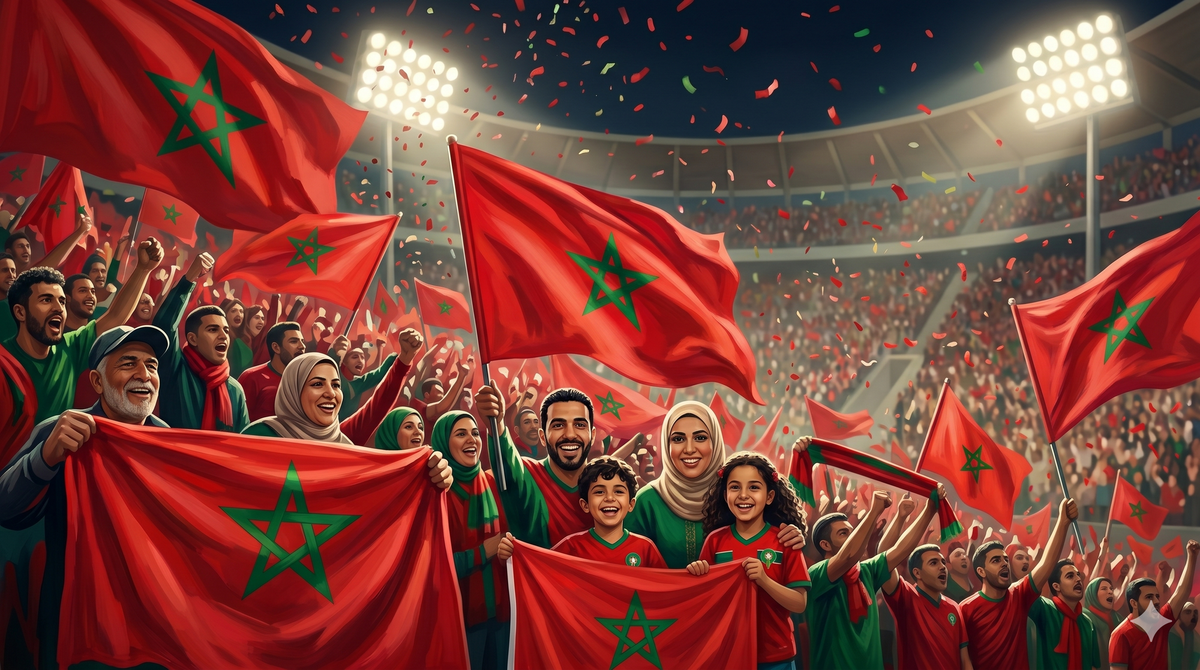
In ninety-two years of World Cup history, no team from the African continent had ever reached the semifinal. Cameroon came closest in 1990 — a quarterfinal exit to England that still aches in Yaoundé. Senegal in 2002 went out in extra time at the quarterfinal stage to Turkey. Ghana in 2010 lost in a penalty shootout to Uruguay in the most-discussed quarterfinal of the modern era. African nations had been knocking. They had not gotten through.
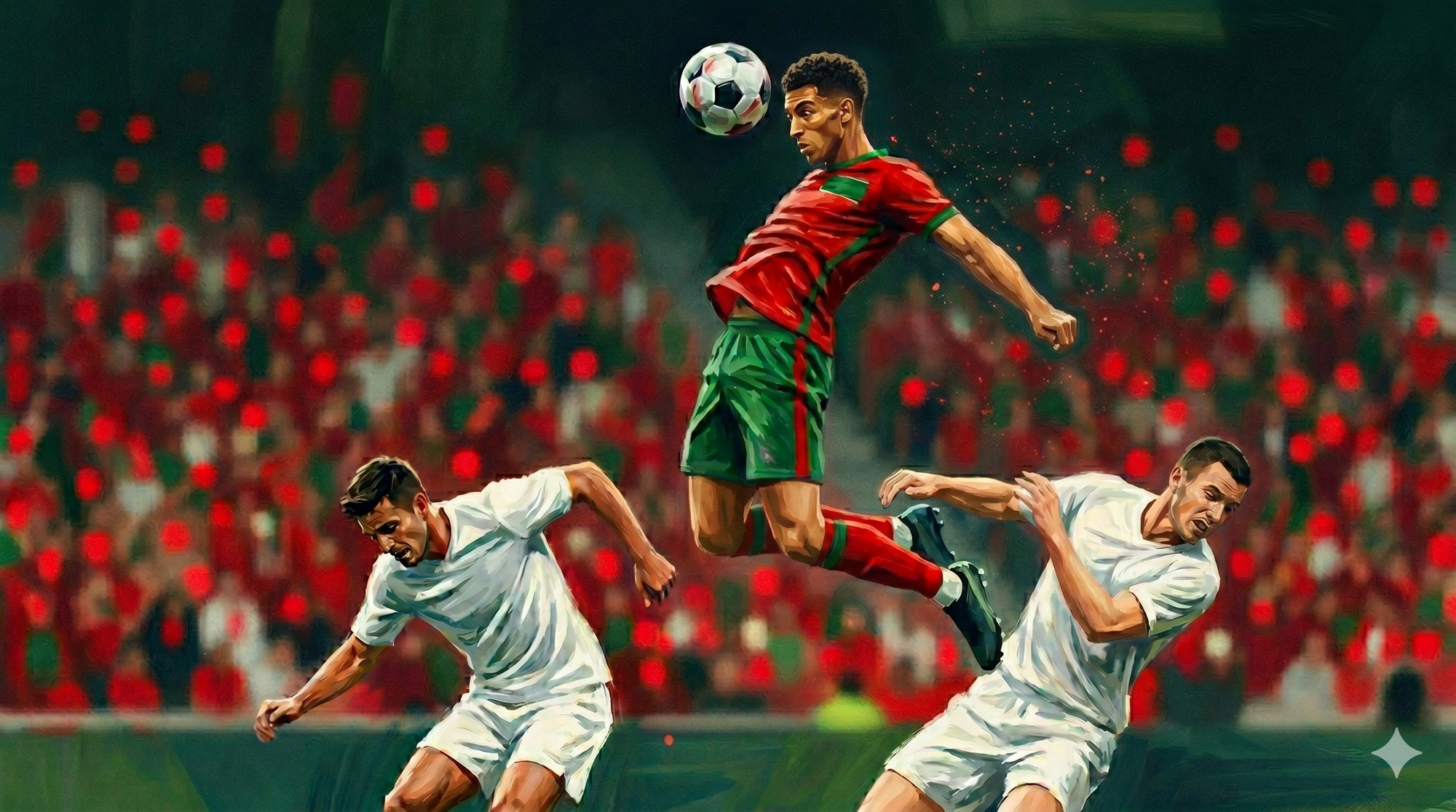
Then came December 10, 2022, at Al Thumama Stadium in Doha. Morocco 1, Portugal 0. Quarterfinal. World Cup. Youssef En-Nesyri rose above two defenders to head in a cross from Yahia Attiyat Allah in the forty-second minute. The header went in. The match ended. Africa was in a World Cup semifinal for the first time.
This is the post about how they got there, the squad that did it, and what it might mean this summer.
The path to the semifinal:
| Stage | Opponent | Result | Note |
|---|---|---|---|
| Group F | Croatia | 0–0 draw | Tight opener |
| Group F | Belgium | 2–0 win | Belgium's golden generation exits |
| Group F | Canada | 2–1 win | Won group on goal difference |
| R16 | Spain | 0–0 · 3–0 pens | Bounou saves 2; Spain scores 0 |
| QF | Portugal | 1–0 win | En-Nesyri header, 42' · Africa in SF |
| SF | France | 0–2 loss | Eventual finalists, deeper squad |
| 3rd place | Croatia | 1–2 loss | Finished 4th — highest ever for Africa/Arab |
■ Knockout wins · ■ Knockout losses
The Round-of-16 win is one of the cleanest shootout victories in World Cup history. Yassine Bounou, the Sevilla goalkeeper, saved two of Spain's penalties — and Spain, World Cup winners in 2010, did not score a single one.
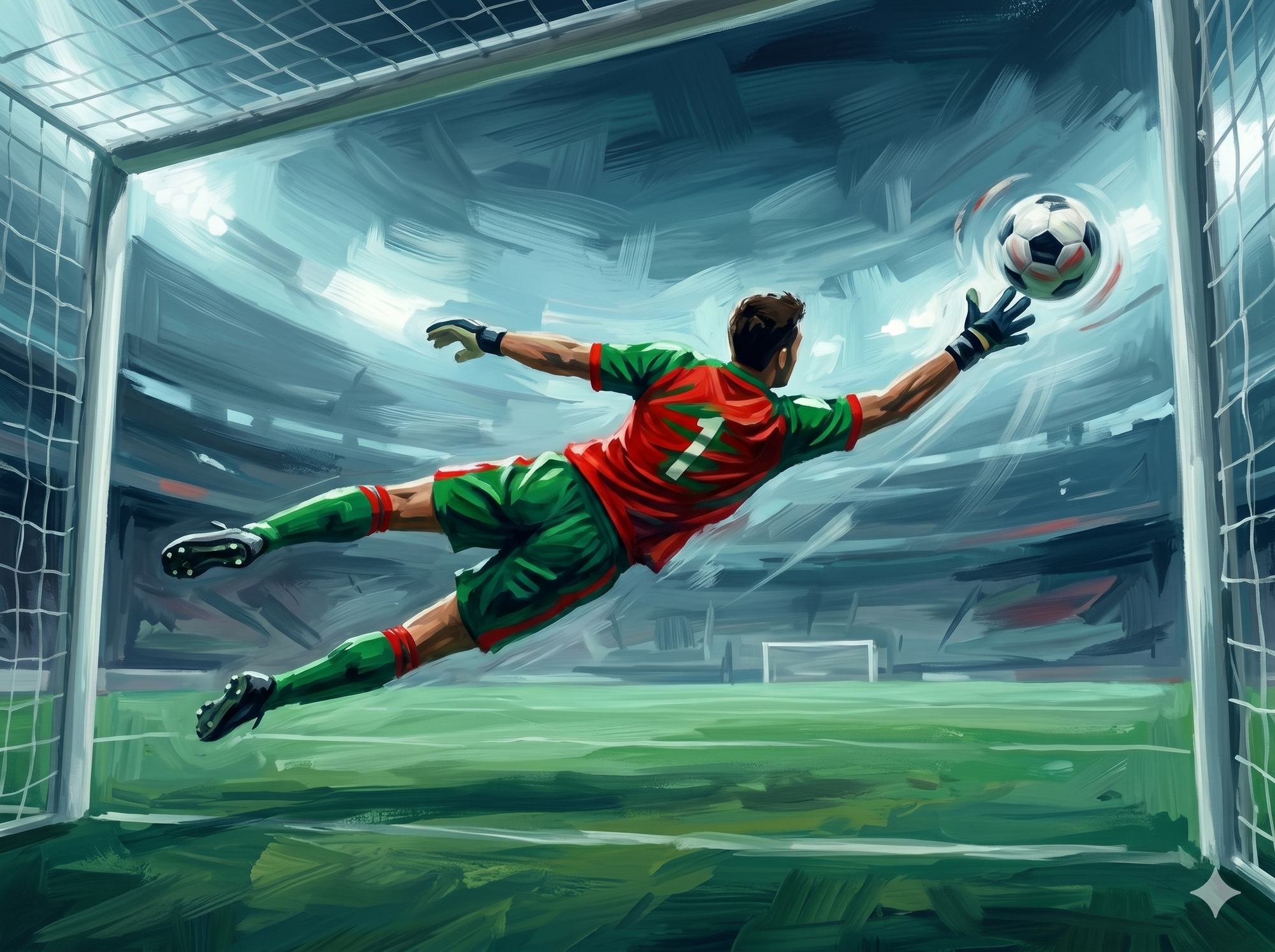
The quarterfinal against Portugal followed. 1-0. En-Nesyri's header is the most replayed goal in modern African soccer.
The squad — and where they were when they did it:
This is what made Morocco's 2022 different from previous African runs. The squad was not a single domestic league with imported talent or a handful of European-based players. It was a globally distributed roster, with starters at some of the biggest clubs on the continent.
| Player | Club (2022) | Position | Note |
|---|---|---|---|
| Achraf Hakimi | Paris Saint-Germain | Right back | 24 · born in Madrid |
| Yassine Bounou | Sevilla | Goalkeeper | The Spain shootout hero |
| Youssef En-Nesyri | Sevilla | Striker | Scored the Portugal goal |
| Hakim Ziyech | Chelsea | Attacking mid | The creative force |
| Sofyan Amrabat | Fiorentina | Defensive mid | Played every minute |
| Noussair Mazraoui | Bayern Munich | Fullback | Born in the Netherlands |
| Nayef Aguerd | West Ham | Centerback | |
| Azzedine Ounahi | Angers | Midfielder | Signed by Marseille after |
| Romain Saïss | Beşiktaş | Centerback · captain | Played SF injured |
| Bilal El Khannous | Genk | Midfielder | 18 years old at tournament |
The coach was Walid Regragui, who had taken the job barely three months before the tournament began. He was an African coach managing an African team to the semifinal — a detail that should not be remarkable in 2022 and was.
What was built at home:
A pattern this blog will keep coming back to: great national teams are usually downstream of long-term investment in the system that produces them. Morocco's 2022 run wasn't an accident — it followed roughly twelve years of state-level investment in football infrastructure, championed personally by King Mohammed VI.
The takeaway isn't "the King funded a stadium." It's that the infrastructure to develop and concentrate the best Moroccan footballers — wherever in the world they were born — existed by 2022 in a way it hadn't in 2010. The diaspora story below overlays on top of that. The two layers together — global passport, home base — are what produced the semifinal.
This wasn't marginal investment. It was the difference between the African ceiling that had held for ninety-two years and the one Morocco broke in 2022.
The diaspora point:
A common observation about Morocco 2022 was that many of the players were born or developed outside Morocco. It is true and it is the wrong frame for the story. Most of the great soccer nations have always been globally connected — Brazilian stars play in Europe, Argentine stars play across three continents, France's 1998 team was a tapestry of backgrounds. What Morocco showed is that the African footballing identity now travels. A player born in Brussels to Moroccan parents who plays in Paris is not "borrowing" Moroccan identity. He is one of the ways Moroccan football extends through the world. The same is true of the broader African diaspora — and that pattern is going to keep producing teams.
What this might mean for 2026:
Africa gets nine direct qualification slots in 2026, up from five in 2022. That is the biggest expansion in African representation in tournament history. The continent has the depth and the talent to put multiple teams into the knockout rounds this summer.
Morocco is qualified. So are several others (more will become clear as qualification finishes). Many of the Morocco 2022 starters are still in their prime. Hakimi will be 27. Ziyech will be 33. Amrabat will be 29. En-Nesyri will be 28. Bilal El Khannous will be 21 and arguably the most important midfielder in the squad. The team that broke the ceiling in 2022 will mostly walk into 2026 with a chance to break it further.
One last thing.
The semifinal didn't go their way. The third-place match didn't either. The two losses at the end of the run shouldn't be the headline of this story, because they weren't the headline of the tournament. The headline was that for the first time, an African team played a World Cup semifinal. The barrier moved. Doors that had been stuck for ninety-two years opened. They will not close again.
That's ten days. We've covered the welcome, the U.S. as host, Azteca, Brazil 1970, Argentina 2022, the 16 cities, the data of 22 World Cups, Germany's dynasty, and Morocco's breakthrough. The Spanish versions of every one of these are being prepared next.
See you tomorrow. Day 11.